中文
 English
 Español
 Русский
Current position:Home > News & Events > News
PVC Compound Factory Audit Guide Weighing Records Retention Samples and Lab Data
A factory audit is not a tour. A big workshop, new machines and walls of honor plaques do not prove that the PVC compound you receive will be stable batch after batch. The real evidence of quality hides in three corners: the weighing records at the mixing station, the retention samples in the warehouse, and the raw test data in the laboratory. Following the actual route of a PVC compound sourcing visit, this guide shows how to open all three corners, what to look at and what to ask, plus the three places suppliers would rather you not see, so you can compare PVC compound manufacturers on records instead of feelings.
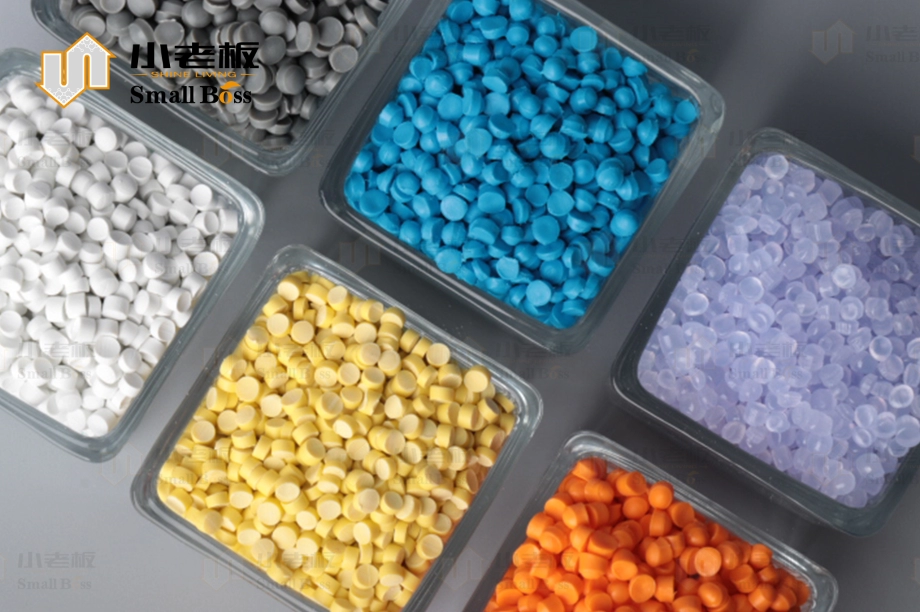
Key points first: An audit does not test scale. It tests whether a plant can repeat the same thing correctly a thousand times. Three things to check — weighing records, retention samples, laboratory raw data. Three questions to ask — reclaimed material control, screw and head cleaning records, complaint ledger. Records are either made every day, or not made at all.
1. Start at the mixing and weighing area where formulations drift first
Most visitors walk straight to the extrusion lines. The better first stop is the mixing area. For modified PVC compound, the first gate of stability is not the extruder but weighing and dosing. Standing at the mixing station, ask three questions:
- Where is the formulation sheet for this grade?
- Can you pull up the weighing records of this shift?
- Which procedure governs the dosing sequence?
The standard practice is one batching record per mix: who weighed it, how much of each component, when it was charged, and in what order — all matching. In the same formulation, fifty grams of extra additive or a stabilizer charged two minutes late will turn one batch of PVC granules into two different behaviors on the customer machine.
If the answer is only an experienced operator does it by feel and there is no weighing sheet for the day, the stability of that plant depends on luck.
2. Check retention samples can they show a batch from two years ago
This is the fastest way to screen out a workshop that only looks big. Ask two questions: How long does your internal procedure require retention samples to be kept? Can you pick any batch number within that retention period at random and show me the sample?
Retention samples are not decoration. They are the key evidence for tracing a quality problem after shipment. Serious PVC granule manufacturers run a documented sample retention system and keep observation records; the production practice for medical-grade PVC granules goes further and requires records to be kept for at least 4 years from the release date, fully traceable.
Then push one level deeper: can that batch number be traced back to raw material lots, production machine, shift team and process parameters? If yes, the plant has a real batch system. If not, retention is just material sitting on a shelf.
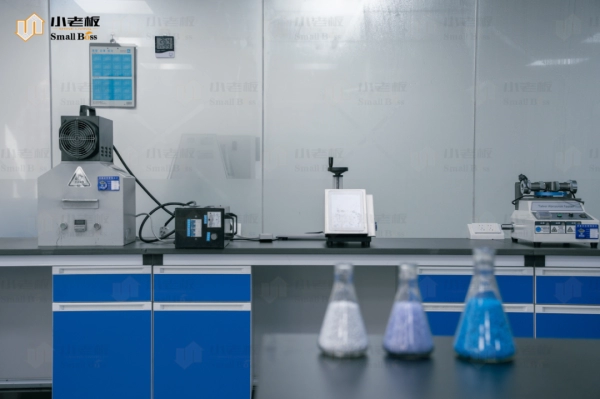
3. Walk the laboratory look for records not instruments
Laboratories are the easiest place to put on a show — instruments lined up neatly, yet the raw records of the last three months are nowhere to be found. The correct approach is look for data, not equipment. Ask them to pull the raw test records of recent batches and check for three items:
- Heat stability time: tested by the Congo Red method, it reflects how the material resists decomposition at high temperature — one of the core indicators for PVC.
- Vicat softening temperature: grades the heat resistance class.
- Tensile properties: confirms whether strength meets the specification.
Then check whether the test equipment carries a calibration label within its validity period. Instruments without calibration turn every number into wishful thinking.
4. Three places suppliers would rather you not see
The corner of the raw material warehouse. Spilled material, reclaimed material and powder of unclear origin usually sit at the back. Ask directly: do you add reclaimed material, how much, and how do you keep its lots separate — then watch how smoothly the answer comes.
Cleaning records between grade changes. When one machine switches from black to natural compound, a screw and die that are not cleaned properly will put black specks into the next batch. Almost nobody shows this unprompted — ask for the records.
The complaint ledger. How problems were handled, whether each case was closed, how often the same issue repeated. A supplier willing to open this ledger is usually one that actually manages quality.
5. A factory audit checklist you can bring on site
The six checkpoints above fit into one table. Score each PVC compound supplier against it on your next visit:
| Checkpoint | What to see | What to ask | Red flag |
|---|---|---|---|
| Mixing and weighing | Formulation sheet, shift weighing records | Who weighed, how much, what sequence | By feel only, no weighing sheet |
| Retention samples | Random sample within retention period | Traceable to raw lots, machine, team | Stored material that cannot be traced |
| Laboratory | Raw records of recent batches | Heat stability, Vicat, tensile; calibration labels | Report conclusions only, no raw data |
| Raw material warehouse | Corners and stacking | Reclaimed material policy and lot separation | Vague or evasive answers |
| Cleaning between grades | Color and grade changeover records | Cleaning procedure and acceptance criteria | No records available |
| Complaint ledger | Ledger and case closure | How often the same issue repeated | Refuses to show, or no ledger |
6. How Small Boss answers this checklist
In the end, a factory audit does not measure size. Machines can be bought and buildings can be raised, but records, retention samples and complaint ledgers cannot lie — they are either made every day or not made at all. Tongxiang Small Boss has produced modified PVC compound for more than thirty years. Against this checklist we deliver: batching records available for every production batch; retention samples kept under a documented procedure with traceable batch numbers; an in-house dual-material testing laboratory plus third-party testing by SGS with detailed reports shipped with the goods; no reclaimed material — virgin material only in every formulation. Beyond supplying one batch of granules, we provide a complete custom PVC compound solution from material definition and formulation validation to stable mass production. Bring this checklist to your next audit, or browse our PVC compound product center first.
7. FAQ on PVC compound factory audits
1. Short first visit to a PVC compound manufacturer — which corners matter most?
Three corners: shift weighing records at the mixing station, random-batch retention samples, and raw laboratory test records. The shine of the production lines can wait — these three cannot be faked. Score them with the checklist in Section 5.
2. How do I verify a PVC compound supplier uses no reclaimed material?
Cross-check three places: batching records against raw material lots; the warehouse corner and the reclaimed material policy; traceability from a retention batch back to its raw lots. The harder protection is writing no reclaimed material, virgin material only into the contract and technical agreement with batch traceability and liability terms.
3. What is different about medical-grade PVC granules?
The applicable production practice requires records to be kept for at least 4 years from the release date, fully traceable. When sourcing medical-grade or other high-stakes PVC granules, hold the supplier to exactly this standard for samples and records.
4. The supplier offers a test report but no raw records — now what?
Report conclusions can be polished; raw records cannot. Ask to pick a recent batch number and see its raw test data and retention sample on the spot, or require third-party reports such as SGS shipped with the goods and check that the report batch matches the delivered batch. Look at data, calibration and traceability rather than a single page of conclusions. The same checklist works when you qualify a supplier for a custom PVC compound project.
About Small Boss
Founded in 1992 in Tongxiang, Zhejiang Province, Tongxiang Small Boss Special Plastic Products Co., Ltd. is a national high-tech enterprise and a specialized and innovative Little Giant company, with a provincial-level technology research institute and a dual-material testing laboratory, certified under ISO9001, ISO14001 and ISO45001. For more than 30 years the company has run the full chain in-house — from formulation R&D, structural simulation and mold making to extrusion production and finished-product testing — across modified PVC compounds, MBBR biofillers, plastic-steel sheet piles and custom PVC profiles, exporting to more than 100 countries and regions. Learn more
PVC Compound Factory Audit and Custom Compound Selection Support
Bring this checklist to our plant: batching records, retention samples and raw test data are open for review. SGS test reports ship with the goods. Full support from material definition to stable mass production.
Marc Ding · Sales Manager
Tel & WhatsApp +86 15868365820 · Email sb02@smallboss.com
No. 431 Tongsheng Road, Wutong Street, Tongxiang City, Zhejiang Province, China